Your visit
What to expect from your first call to your follow-up, so nothing about your appointment is a surprise.
Mountain View 650-691-0999Saratoga 408-252-5700
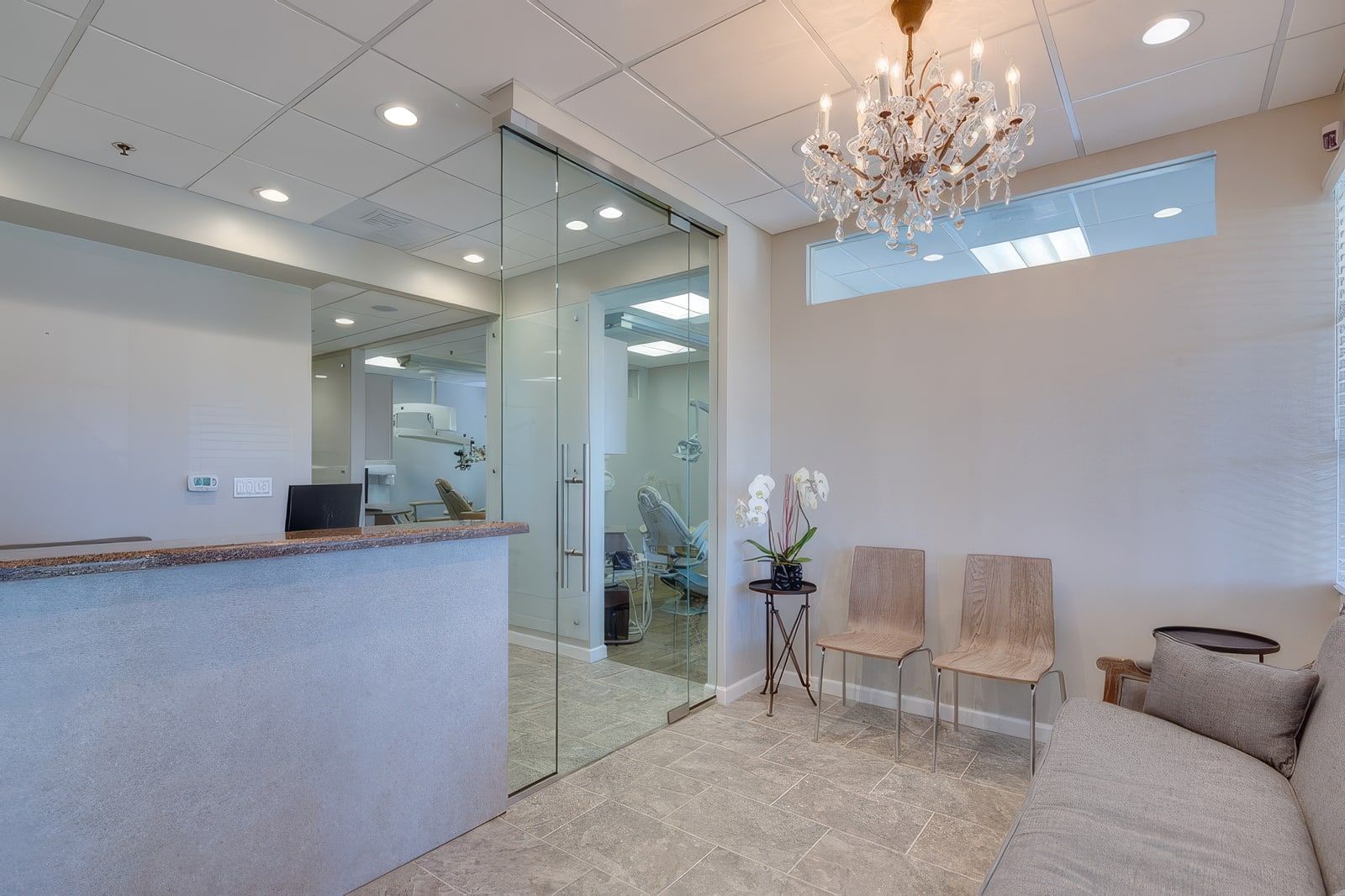
Scheduling
Call the Mountain View or Saratoga office, or send a request online. If you are in pain, say so, and the team will look for the soonest opening.
Your forms
Download the patient form, fill it in at home and bring it with you, or arrive a few minutes early to complete it at the office.
Your consultation
Dr. Hirose examines the tooth, takes x-rays and looks closely under the microscope. He shows you what he sees and explains your options and the fees before anything begins.
Treatment
Local anesthetic keeps you comfortable, and a latex-free rubber dam is available. Many teeth are finished in one visit; some take two.
Follow-up
A short check about a year later confirms the tooth is healing. An infection at the root tip can take up to two years to heal, and the office sends you a reminder.
Please bring
- Your dental insurance card, if you have one
- A list of your medications
- Any referral slip or x-rays from your dentist
- Your completed patient form, if you can
Both offices keep the same hours: Mon 9 am to 5 pm, Tue 9 am to 5 pm, Wed 9 am to 5 pm, Thu 9 am to 5 pm, Fri 9 am to 4 pm. Emergencies can occasionally cause delays; the team works to stay on schedule and appreciates your patience.
Before your appointment
- Eat a normal meal beforehand.
- Keep taking your regular medications for blood pressure, diabetes, thyroid or other conditions, as your physician recommends.
- If your physician or dentist has told you to take antibiotics before dental visits, for example because of a heart condition or a joint replacement, take them as directed on the day of your appointment.
- Questions about any of these? Call the office before your appointment.
After treatment
- The numbness usually wears off in two to three hours. Avoid chewing until it does.
- Some tenderness in the tooth and gum for several days is normal.
- Ibuprofen (Advil), aspirin or acetaminophen (Tylenol), taken as directed, usually eases it. Avoid alcohol while taking them.
- Chew on the other side until your tooth is fully restored. A treated tooth is more likely to crack until it has its final restoration, usually a crown.
- Eat soft foods for the first day or two, and avoid sticky, chewy or hard foods.
- Keep brushing and flossing as usual.
- If discomfort is not controlled by these medications, or if swelling develops, call the office where you were treated right away.
Questions about your visit
Can I drive myself home?
Yes. Treatment is done with local anesthetic, so you can drive and go back to your day. The numbness usually wears off in two to three hours.
Will my tooth be sore afterward?
It is normal for the tooth and gum to feel tender for a few days. Over-the-counter pain relief usually handles it. Call the office if the discomfort is not controlled or if swelling develops.
Is there a follow-up visit?
Yes. Dr. Hirose recommends a short check about a year after treatment, because healing at the root tip takes time. The office sends you a reminder when it is due.
What happens after my root canal?
Your tooth is sealed and closed with a filling. If it needs a crown, see your general dentist within a few weeks. Dr. Hirose sends them a report and your x-rays.
Relief starts with a call
Call the office closest to you. If you are in pain, say so when you call, and the team will look for the soonest opening at either office.
Request an appointment-
Mountain View
100 West El Camino Real, Unit 67
-
Saratoga
18988 Cox Avenue, Suite D